Showing posts with label art market. Show all posts

Thursday

How to Find a Gallery and Send an Email Inquiry or Application


For all the videos please visit:
http://art-and-art-history-academy.usefedora.com/


How to Find a Gallery

For a lot of artists finding a gallery and having an exhibit is the realization of all their dreams. For me, I thought that was going to be true too, however, it hasn’t necessarily been as satisfying as I fantasized it would be. I thought that once I found a really good gallery my career would be made by the gallery and the director of the gallery and I wouldn’t have to do any more work. This is not the case.

In most cases the shows that I’ve had and galleries have not been economically profitable for me. Of course every once in a while I’ve made $10-$15,000 off of the gallery show but this is only been three or four times in my 25 year career. The results of this is that I’ve now abandoned trying to show in brick-and-mortar galleries and now I show online and sell my work online. Nevertheless, I’d like to share with you my experiences in getting a gallery. If you look at my bio you’ll see I’ve had a lot of gallery shows and I’ve had a lot of experience getting galleries. So I’m going to outline the process here in addition to providing you with the video.

Step One: The Research

It’s important to find galleries that show work that is similar to yours. It’s also important that the gallery be at the level that you’re at. For example, if your students or beginning artist and just starting out and have no-shows at all and no critical recognition you shouldn’t apply to the high-end or blue-chip galleries.

Here’s how to use the Internet to research galleries and to find a gallery that you can work with.

Your first step should be to make a list of artists’ names who make art that’s similar to yours and are at the same level of quality and craft you’re at. You should make sure that you don’t overestimate how good you are.

Things to consider when making your list are, subject matter, type of paint or medium, quality of work.

The next step is to put that person’s name or those artists names into a Google search and find their websites and/or galleries were there showing. You want to look at the artists resumes and look at where they have exhibited and make a separate list of those galleries but make sure you put the artists names on the list with the gallery so that you can refer to it later when you’re writing your letter to the gallery. In some cases, if your work is too similar to the artists work you will have a problem because there will be internal competition and the gallery manager or director won’t want to show too much of the same thing.

The second thing is to Google those galleries and look at the gallery and the type of work that’s in it. As you’re doing this you may also even want to create a spreadsheet or add to the list that you been working with to keep track of the different artists were showing at those galleries and what kind of work the gallery shows in general. If you keep track of them in a spreadsheet using something like Microsoft Excel it’s a little bit easier for you in the long run and you can refer to it again later.


Also when you’re looking at the gallery website, look for their policy on how to submit art sometimes a gallery will be very clear in how they want to receive a package from you and what should be included in the packet. It’s really important to follow those directions to the letter if you want to be considered at all. Some galleries will actually even say they are not taking submissions at this time and if that’s the case don’t waste your time and money applying to them they already have a full stable of artists and can’t afford to show your work there. Keep in mind there are exceptions to every rule and of course if you’re super fantastic you can take the risk but just be ready for no response from the gallery.

After you’ve compiled a spreadsheet or a list of galleries that you’re going to apply to that includes, the addresses of the gallery, this includes the physical and the web URL, the name of the director of the gallery, and some of the artists that are showing in the gallery, you are ready to do a little bit more research on the gallery.

One of the things that you should think about doing is googling the name of the gallery especially in databases for periodicals and read some of the reviews about the gallery so that you prepared to talk to the people in the gallery and flatter them a little bit with your knowledge about the gallery if they give you a call.


Step Two: The Pitch


Today, most galleries are interested in getting email submissions and the range of the things that they want is varied.  Sometimes, they will ask for a PDF with your work, sometimes they just want your website, sometimes they ask you to send JPEG’s and they ask for a specific way of labeling the JPEG’s often it will be with your last name, the title of the work, and the medium. You should carefully look at what the gallery is asking for and possibly include that in your spreadsheet. It sounds like a lot of work but it’s better to make a good first impression and do what they’re asking you to do.


Sometimes galleries will ask for mailed in submissions I snail mail. Often the things that they want included in these packages are a clear short resume or biography, either slides of your work,(this is very rare these days) printouts of your work or a catalog, and copies of any press that you’ve received. Good or bad reviews it doesn’t matter. You will also need to include a cover letter.

One of the things that you need to keep in mind when you’re applying to galleries is that gallery directors are as different and diverse as painters are and there is no one size fits all way of applying to a gallery. You should also be ready to even sometimes get really nasty rejections. For example, one gallery I applied to about 15 years ago sent back my materials with a post it note put on my cover letter that said “definitely not interested.” Definitely was underlined several times. Interestingly enough another friend of mine who applied to your two earlier got the same response. It really hurt my feelings but it did make me feel a little bit better that this gallerist did this to a lot of people.

Something else to keep in mind is that you should also expect to be rejected. I know this sounds pessimistic but it makes it a lot easier. Let me share my stories with you to explain this.


In my last year of grad school I was applying for both jobs and galleries. I applied to 78 schools to find a teaching position. I got three interviews and I ended up getting a job, not as a teacher, but as a curator because of my computer skills. I found a way to teach part-time while I was doing that. So I had a very high strikeout record in fact you could almost say that I have no runs batted in since I didn’t get a teaching job.

That same year I applied to over 125 galleries, I got four pleasant letters back telling me to check in with them later and one gallery that was local who gave me an exhibition. But I got nearly 120 rejections. Again not a stellar record. My point in telling you this is not to discourage you but to tell you that this happens a lot for most artists and that like a baseball player you need to get up to bat as many times as you can.

Another thing to keep in mind, is that often, even though I include a self-addressed stamped envelope to return my package and slides, I only received back about 20% of all of my packages. Whenever I got the package back, I would mark it in my notebook, three hole punch the letter and put it in a binder, and send the package back out with a new cover letter to new gallery.


So please don’t be discouraged when you’re doing this you should expect a 98% failure rate. Like I keep saying though there are exceptions to every rule.

For all the videos please visit:
http://art-and-art-history-academy.usefedora.com/


Thursday

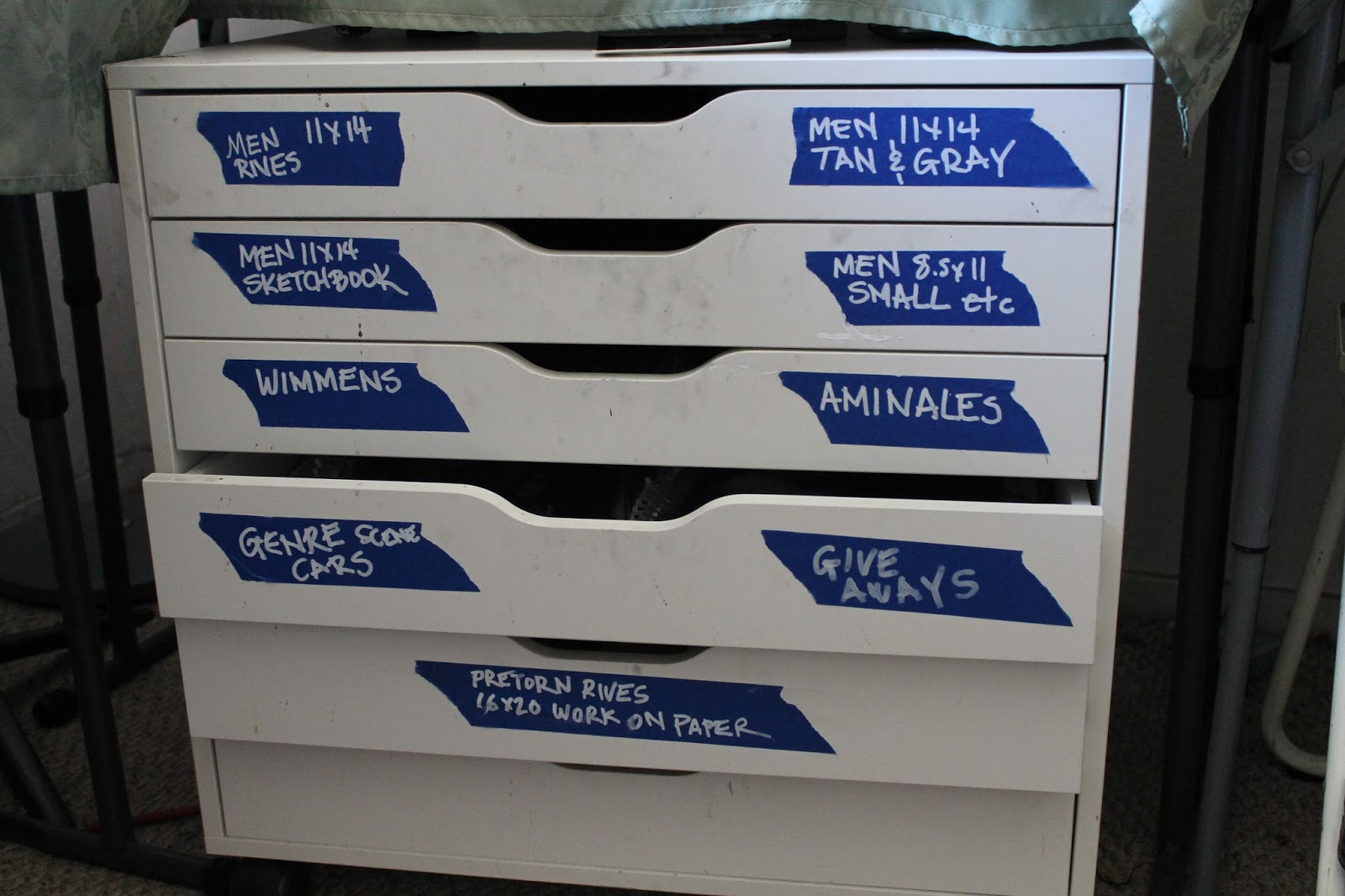
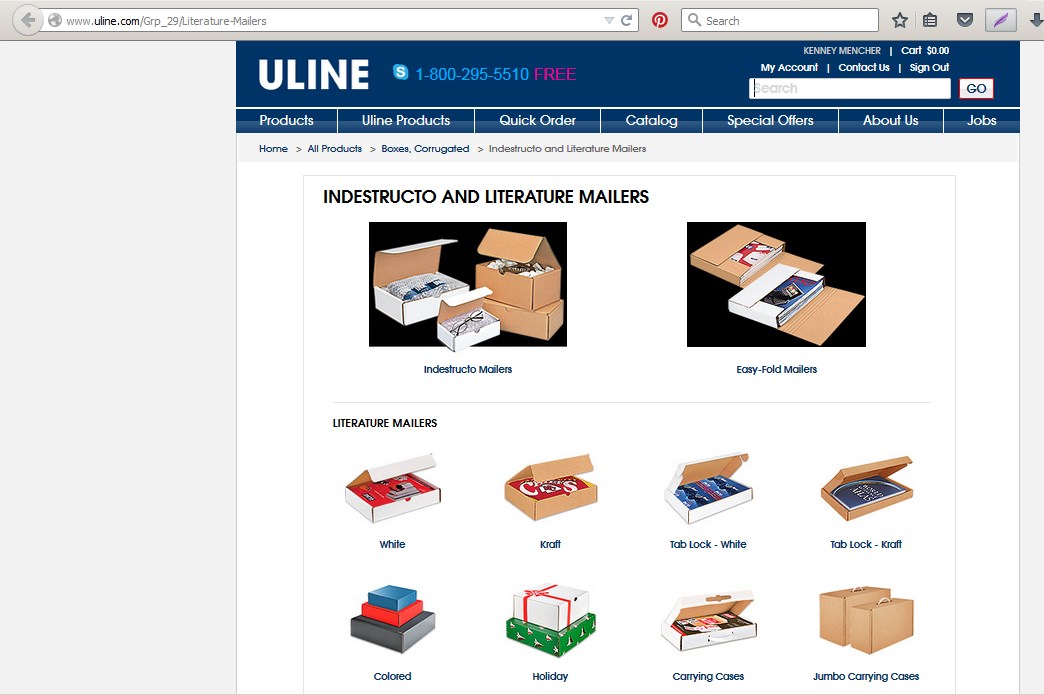
Storing Packaging and Shipping Flat Art - Also I reposted my other how to market videos. (THIS IS NOT A SELF PROMO JUST A SHARE)

This is just a share about how to save some money shipping art.  I've figured out where to get boxes and also some ways to store, package and ship my work.  It's not a promo about my work.


Tuesday

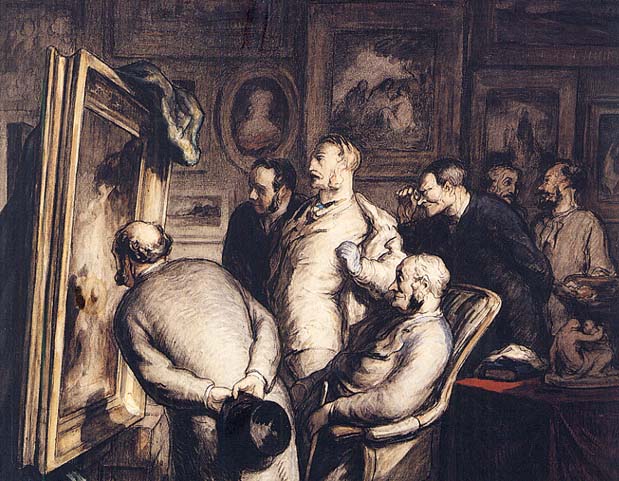
#4 Art Marketing: Introduction to Various Venues to Exhibit In


What do museums and galleries do?  What is their role or mission?

Monday

#3 Marketing your Art: If you want to sell art, you should buy some art to see how it feels.


In my last two blog posts I suggested that quality of artwork was the most important thing that you could start with in terms of marketing your art. Just to insert a quick aside into this post, I also suggest that you buy some art from other artists to see how it feels for the customer who is buying art online or in an art gallery. If you bought art from someone else and you had to spend money on it you’ll get a good idea of how it feels to have to part with that money.

I think it problem that most of us have is that we actually believe that somehow our art is more special than other people’s art. This may not be the case. Developing a sense of what it’s like on the other side of the purchase will help you to understand how hard it is to actually push the button or pull the trigger on a purchase. Meaning you’ll understand how hard it is to actually spend some money on art.

My own personal anecdotes about buying art have a lot to do with seeing someone’s art that I thought was incredibly powerful and longing to own it but not having enough money to buy it. One example of this is that around 25 years ago when I was in graduate school I visited an artist studio. The artist who I’m still friends with is named David Tomb.  (http://davidtomb.com/)


David’s work was so incredible to me and so head and shoulders above everything that I ever did that I totally wanted to own a piece. I had been to some of his shows in San Francisco at important art galleries. So when his girlfriend invited me for a studio visit I was in awe of his work. I didn’t have a lot of money because I was still in school and I asked him if I could buy one. At that point I didn’t even know which one I wanted I just knew that I wanted to own a piece of art by the guy. I offered him $200 because that was the limit that I could afford and I figured it was the least offending amount. He accepted, and I walked out of his studio with the piece of art, but I didn’t have my checkbook or any cash on me and I still hadn’t paid.


A couple of weeks later, his girlfriend asked me to write him a check, it was really painful writing a check for $200 to someone for their art when I wasn’t selling any of my own and I found myself feeling envious, a little offended that I had to pay money, and I also realized how he must feel having not gotten a check in a timely manner. It taught me what it felt like to part with the money and how he must’ve felt, embarrassed probably to have to ask me for the money through his girlfriend.

Since then I’ve consistently had people ask to buy artwork from me and ask for me to do commissions. I’ve been trying to get my head around doing commissions because they’re harder than making art that just comes from me. I’ve been doing it, but often, after I’ve made the art people have a hard time going to the website where I sell the art, Etsy.com, and actually paying for it even though they commissioned the work. It’s a kind of friction that people don’t expect to have when they ask to have a piece of art made. When this happens I always think about how hard it was for me to buy a work of art and so I have empathy for those people.

So over the last 25 years or so my wife and I have amassed a small collection of art that I really like. What I’ve noticed is that I sometimes feel angry that I have to pay more for someone else’s art than I pay for my own. There’s a little devil on my shoulder saying, “why is this artists work worth more than mine?” And I always have to think about what it must feel like for other people to spend money on my work. My compromise, is that I have a price point that I’m willing to pay for art and the limit of what I’m willing to pay is usually in the $50-$300 range. This limits the kind of art I can buy but it also means I can buy more art. Sometimes I buy are online and am a little disappointed with it and the quality of the art doesn’t stand up to close scrutiny. Other things that can bug me are that sometimes people don’t pack the art well and I’ve gotten works of art that have been damaged in shipping.

The take away that I want you to have from my comments above is that to be an artist I think it’s important to experience the process of buying art from both sides.

Thursday

#2 Art Marketing and Prices (It's nicer to be nice.)


Marketing and Prices

Main ideas:


One, always be nice, gracious, and appreciative of clients, collectors, support people, and the people who run the galleries that you show in. You have to be sincere and you have to really understand that they’re doing you a favor.

Two, don’t overvalue yourself or your artwork and only when you start selling everything that you make should you really consider raising your prices.


There was a movie work when Eastwood once said, “A man’s got to know his limitations.”

I think the same is true about valuing oneself and one’s work as an artist. I know that in the last 50 or so years we’ve all been brought up to be the kind of people who value ourselves. However, in an age where everyone gets a trophy for showing up to sports practice and games, sometimes we tend to overvalue our worth and the value of our art.

Please don’t be offended but we are not all Leonardos.  

Starting with behavior, we all including myself have to realize that there are probably at least hundreds of people who can do exactly what we are able to do. Competition is stiff. 


In my experience running a gallery at the school where I teach, Ohlone community college in Fremont California, I ran the art gallery for couple of years. My experience is that a lot of artists who I showed were very “entitled.” They weren’t really gracious nor did they roll with problems that happened in exhibiting in my rinky-dink on important little community college art gallery. Often they acted like my students were unimportant.  (These students are actually long term clients who may buy your art long after they graduate.)

People who exhibited acted kind of snarky at times especially with my students who were helping. 

Say it again, "The same audience who could buy there art in several year's time."


As a gallery director I can call them on it but all these people overvalued my gallery but also overvalued the experience of showing in the gallery. I guess what I’m trying to say is they should’ve been a hell of a lot nicer and a lot less demanding. 

Of course there were many of the artists who were totally cool, gracious, and were sincerely grateful to have a show.

I’m not trying to be arrogant, however, I’m really good at being super cool and gracious when I am given a show at art galleries. I don’t get huffy and I don’t get demanding with the gallery directors. I don’t worry about how the work is being hung because they know what they’re doing and I have to trust them. 

I also really try to be empathic with the demands that they have to deal with both in terms of money and in terms of the demands of their customers. I felt that any gallery show that I got was a gift because the gallery itself was taking an enormous risk on me by spending a month of their walls to show my work. If you look at how much commercial space is cost sometimes there is much as 50,000 a month. Of course in smaller towns, which have less important galleries, the overhead is really much smaller however the cost that that galleries laying out our proportionate to the cost of living in that area. 

When you factor in advertising, the fact that they man the gallery for eight hours a day, and the aggravation that they have to put up with and the ass kissing that they have to do with both the artists and the client to come in I think 50% is a little small of a percentage for them to take on selling my work.


The lesson is they are outlaying a ton of money and time to represent you and if you’re snotty arrogant and demanding that I can ask you back unless you make double their rent that month. I learned that I needed to get over myself and I needed to get over how much I thought of my work. The bottom line is I don’t think I ever really covered a gallery’s expenses by having a one person show at a gallery.

Okay let’s talk about pricing.

In galleries since they have to make so much money to cover their overhead, rent, advertising, and other incidentals they have to charge a lot for your artwork. If they charge $5000 and only sell one painting at $5000 and their rent is $10,000 they are screwed financially. So most galleries do try to inflate your prices and try to get more money. When I was young man, about 15 years ago, I showed it a very commercially successful gallery. I didn’t understand the things that I was talking about above and so the gallery would ask me how much I wanted for painting and I would say $300, the gallery would then mark the painting up to about $1200 and I would get a check for $300 for my painting. I didn’t understand at the time that that was okay or cool. And so I raise my prices to $600 and they had to compensate by raising it even more. It was kind of like a cold nuclear war. Of course I lost the war because eventually I out priced myself and was no longer a deal for my collectors.


Now I’m showing online on Etsy.com. Almost all of my work is priced below $100. Friends of mine often tell me I need to raise my prices. I did a little while ago and the result was I sold a lot less artwork. When I looked at my inventory, from a supply and demand kind of orientation, I have nearly 500 works of art for sale and it doesn’t look like I’m going to sell out of my inventory anytime soon. Even though I’m getting a lot of pressure from my wife and my friends to, “get what I deserve for my work.” I am still warehousing 500 works of art.

I’ve decided that when the demand for my art work exceeds my inventory that is when I will raise my prices. I do sell a lot of work usually about 10 to 15 things a month but I’m always in the studio working. I also try to give away at least 10 to 15 works of art a month and the way that I do this is that I often throw in an extra work when clients by a painting or drawing I give them something of the same subject and size. I don’t tell them that I’m in a do this. I also spend a lot of time on Facebook looking at photographs of dogs and primarily Chihuahuas. I love dogs and so I’m always sitting around at night drawing these pictures and so I Facebook message the people whose dog it is and a lot of times I’ll send it to them for free.

I guess the takeaways from what I’ve been discussing are,

One, always be nice, gracious, and appreciative of clients, collectors, support people, and the people who run the galleries that you show in. You have to be sincere and you have to really understand that they’re doing you a favor.

Two, don’t overvalue yourself or your artwork and only when you start selling everything that you make should you really consider raising your prices.

I totally understand that a lot of people can disagree with me on this and think that I’m not valuing myself enough but if you give something to someone and they feel that they got a deal and you are both satisfied with the transaction you both win instead of you running out and saying “I won I won I won!” Both of you get to say, “wasn’t that a nice experience.”


Oh yeah.  Here's a sample of how I price my work.  YES size counts!

http://kenney-mencher.com/
Kenney Mencher

18x24 Painting $128
18x24 Drawing $118

16x20 Painting $98
16x20 Drawing $88

11x14 Painting $78
11x14 Drawing $68

9x12 and 8x10 Painting $58
9x12 8x10 Drawing $48

8x8  $38